Choosing the right backpack makes or breaks a trip. This guide breaks down how I choose packs for hiking and multi-day trips, based on fit, capacity, terrain, and how I actually travel rather than specs alone.
The Complete Backpack Guide for Hiking & Multi-Day Trips
Choosing the right backpack makes or breaks a trip. This guide breaks down how I choose packs for hiking and multi-day trips, based on fit, capacity, terrain, and how I actually travel rather than specs alone. This isn’t a list of the “best” backpacks. It’s a decision guide. I’ll explain how I think about capacity, fit, and features so you can choose a pack that works for your trips, not someone else’s.
All product images are clickable links; click on them, and they will take you directly to the product.
Some links in this guide are affiliate links, which means I may earn a small commission if you choose to purchase at no extra cost to you. These commissions help support the creation of free content like this. Thank you for your support.
Contents:
Backpack types
Not all backpacks are designed to do the same job. The right pack depends on how long you’re out for, how much gear you’re carrying, and the terrain you’re moving through. Rather than trying to make one backpack work for everything, I split my setup into two main categories.
DAYPACKS
10-35L
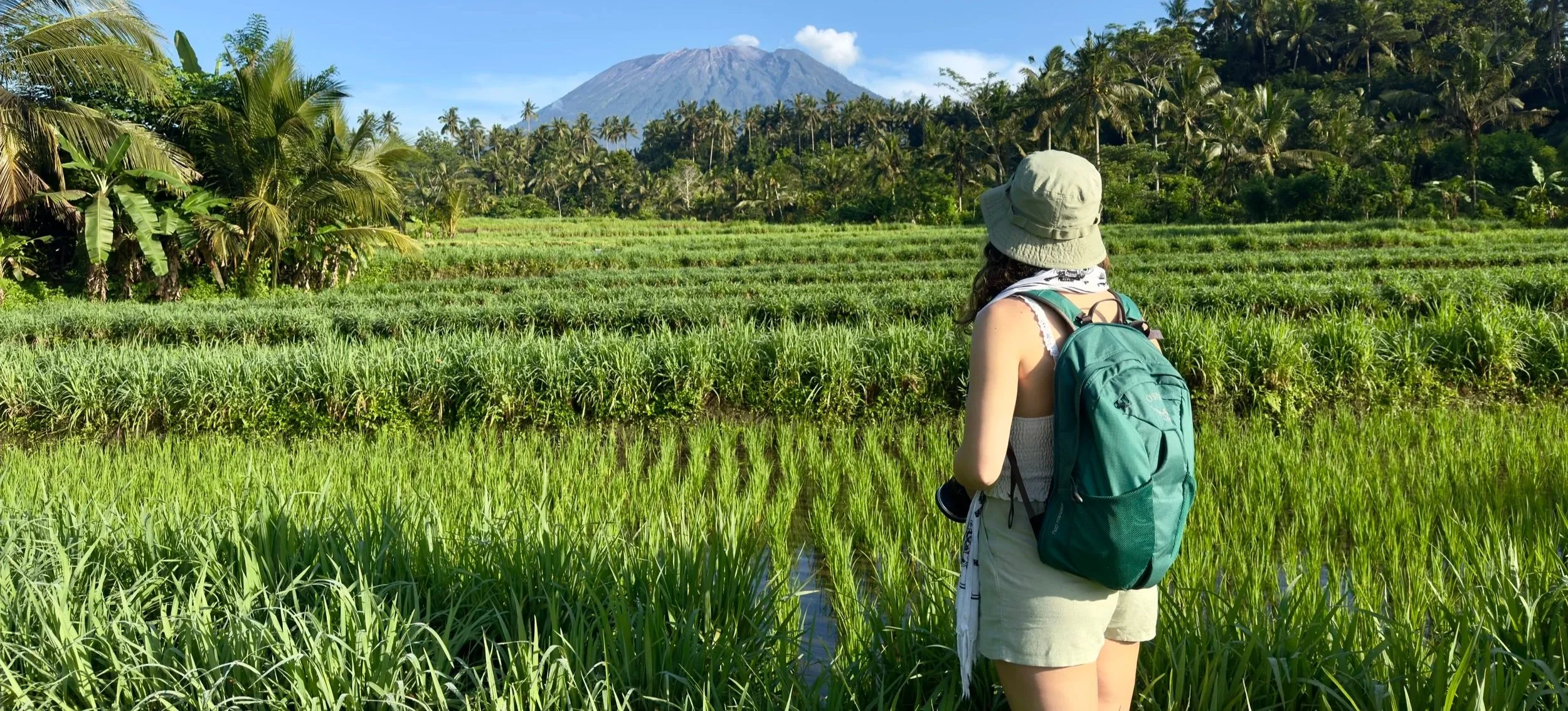
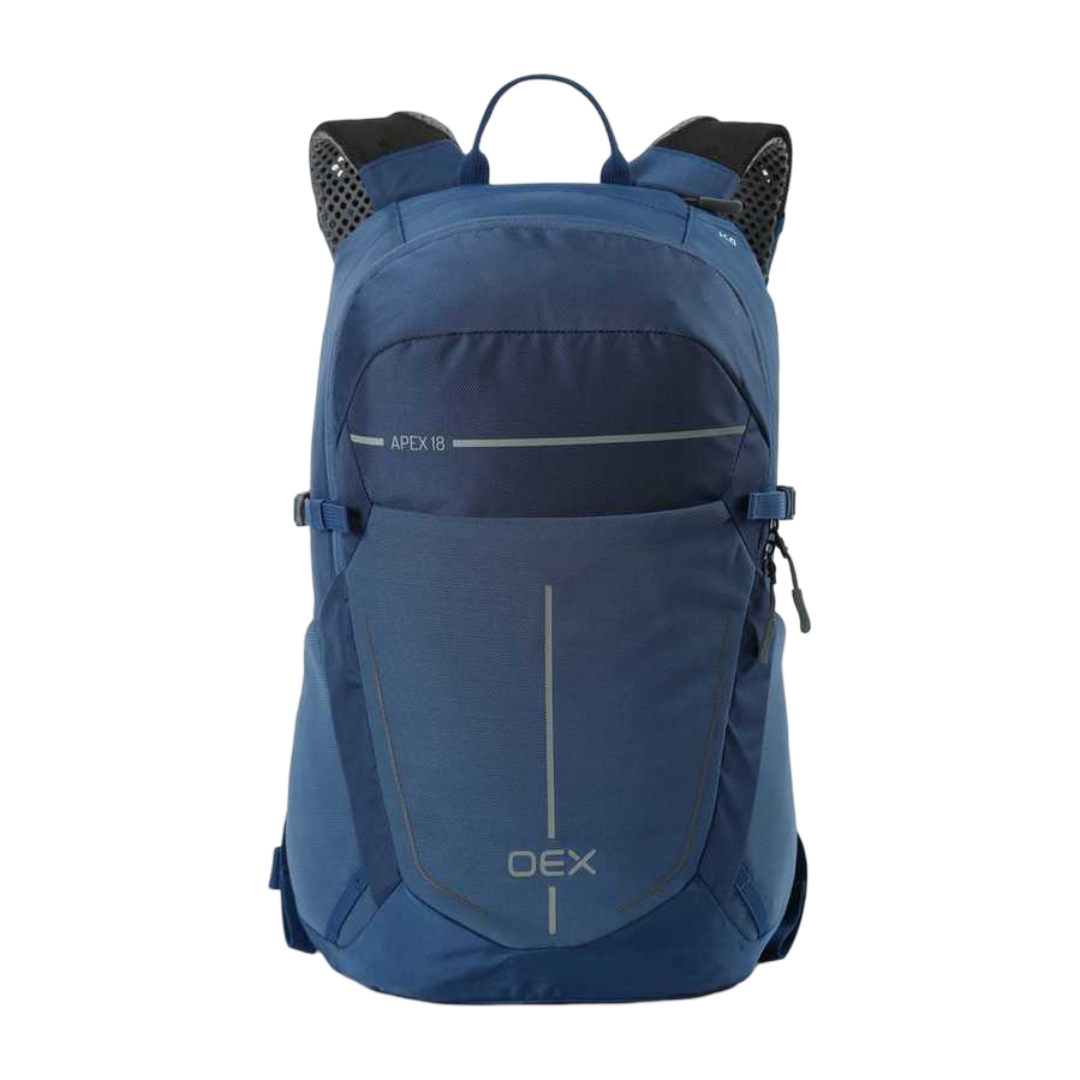
Daypacks are designed for single-day hikes and lighter loads. They prioritise freedom of movement, comfort, and easy access over carrying capacity, making them ideal for shorter trips where efficiency matters more than volume.
Because they carry less weight, daypacks tend to feel more streamlined and less restrictive. They’re easier to move in, quicker to adjust on the go, and generally more comfortable for fast-paced or technical hiking. Daypacks work best when your gear is compact, and you don’t need to carry bulky items like shelter or a full sleep system.
I typically use a daypack when:
Hiking for a single day
Carrying minimal layers, food, and water
Staying on well-defined or familiar trails
I want maximum mobility and comfort
What to look for in a good daypack
A good daypack should feel like an extension of your body rather than something you’re carrying. Fit matters more than capacity; if a pack sits poorly or shifts while moving, even a light load will become uncomfortable over time.
I prioritise packs with a close, stable fit, breathable back panels, and shoulder straps that don’t dig in when moving uphill. Simple organisation is key: enough pockets to keep essentials accessible, without overcomplicating things or adding unnecessary weight.
Some people even use running packs as daypacks, which can be a great option for faster-paced hikes or when carrying very little. They’re lightweight, hug the body closely, and make accessing water and snacks incredibly easy while moving.
For me, the best daypacks are the ones I forget I’m wearing.
MULTI-DAY BACKPACKS
35-65L
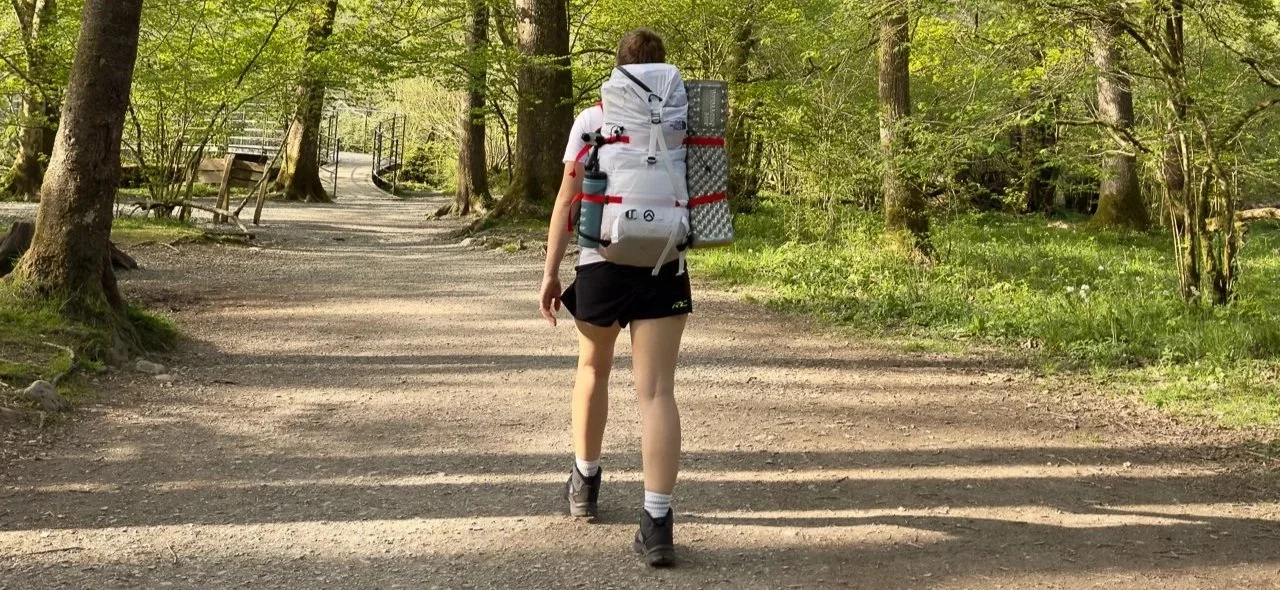
Multi-day backpacks are built to carry weight comfortably over longer distances. They’re designed with stronger frames, more supportive hip belts, and greater capacity to handle the demands of overnight and multi-day trips.
These packs are essential when self-sufficiency matters. They allow you to carry shelter, sleep systems, extra layers, food, and safety gear without compromising comfort or stability.
I typically use a multi-day backpack when:
Camping overnight or longer
Carrying shelter and a full sleep setup
Conditions are variable or unpredictable
Routes are remote or require full self-sufficiency
What to look for in a good multi-day backpack
A good multi-day backpack should carry weight comfortably over long distances. Fit and load distribution matter more than capacity; a poorly fitting pack will feel exhausting, no matter how good the features look on paper.
I prioritise packs with a supportive hip belt, adjustable torso length, and a stable frame that transfers weight onto my hips rather than my shoulders. Comfort over time is key, especially on longer or multi-day routes.
Organisation should be practical rather than excessive. Enough space for sleep systems, food, and extra layers, with easy access to essentials, without adding unnecessary weight or complexity.
For me, the best multi-day backpacks are the ones I don’t have to think about. If I can hike all day without constantly adjusting straps or feeling pulled off balance, it’s doing its job.
Capacity Explained
Backpack capacity is often overemphasised, but it’s rarely the deciding factor. Bigger doesn’t automatically mean better, and choosing too much capacity can be just as problematic as choosing too little.
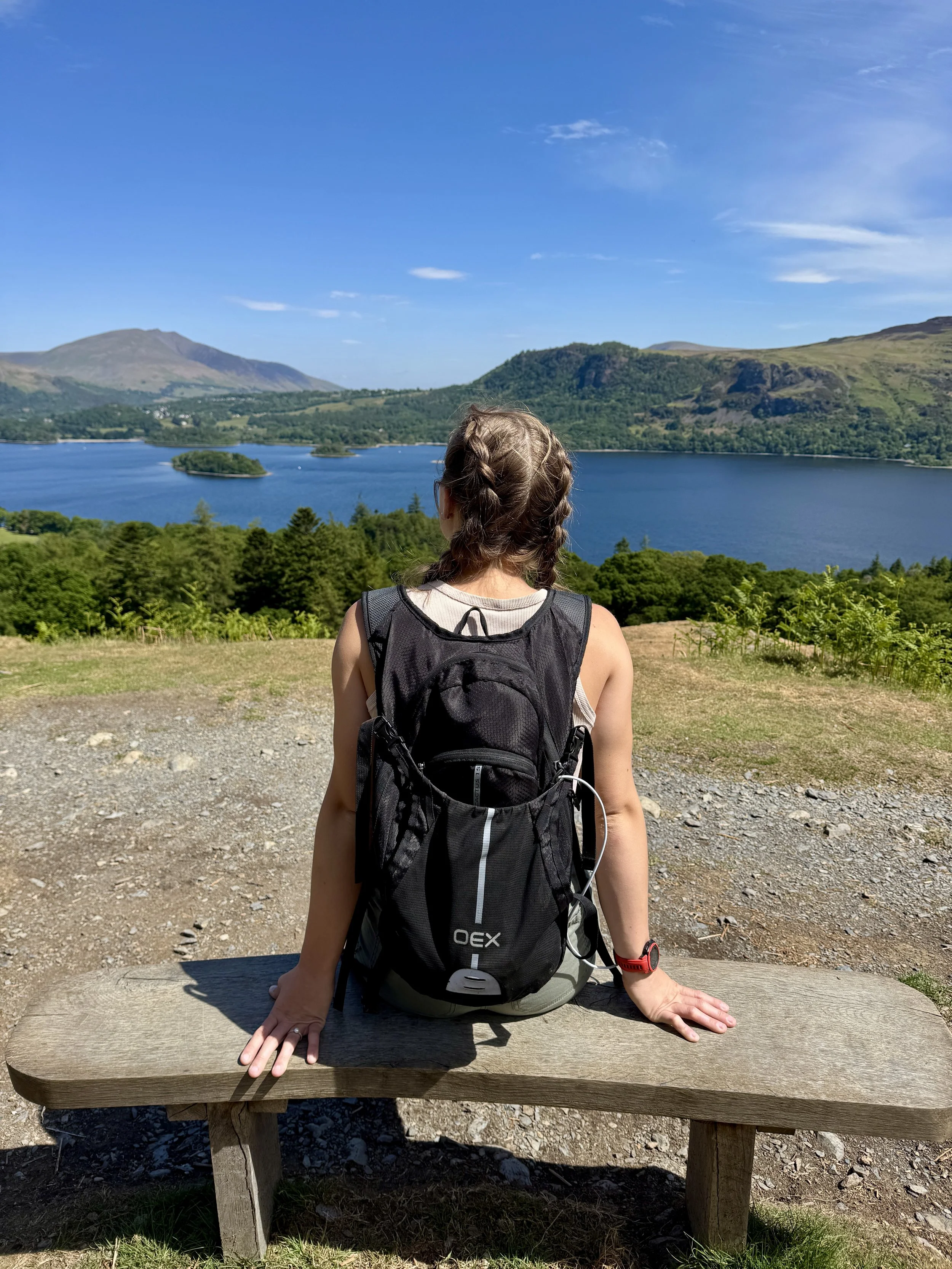
15L
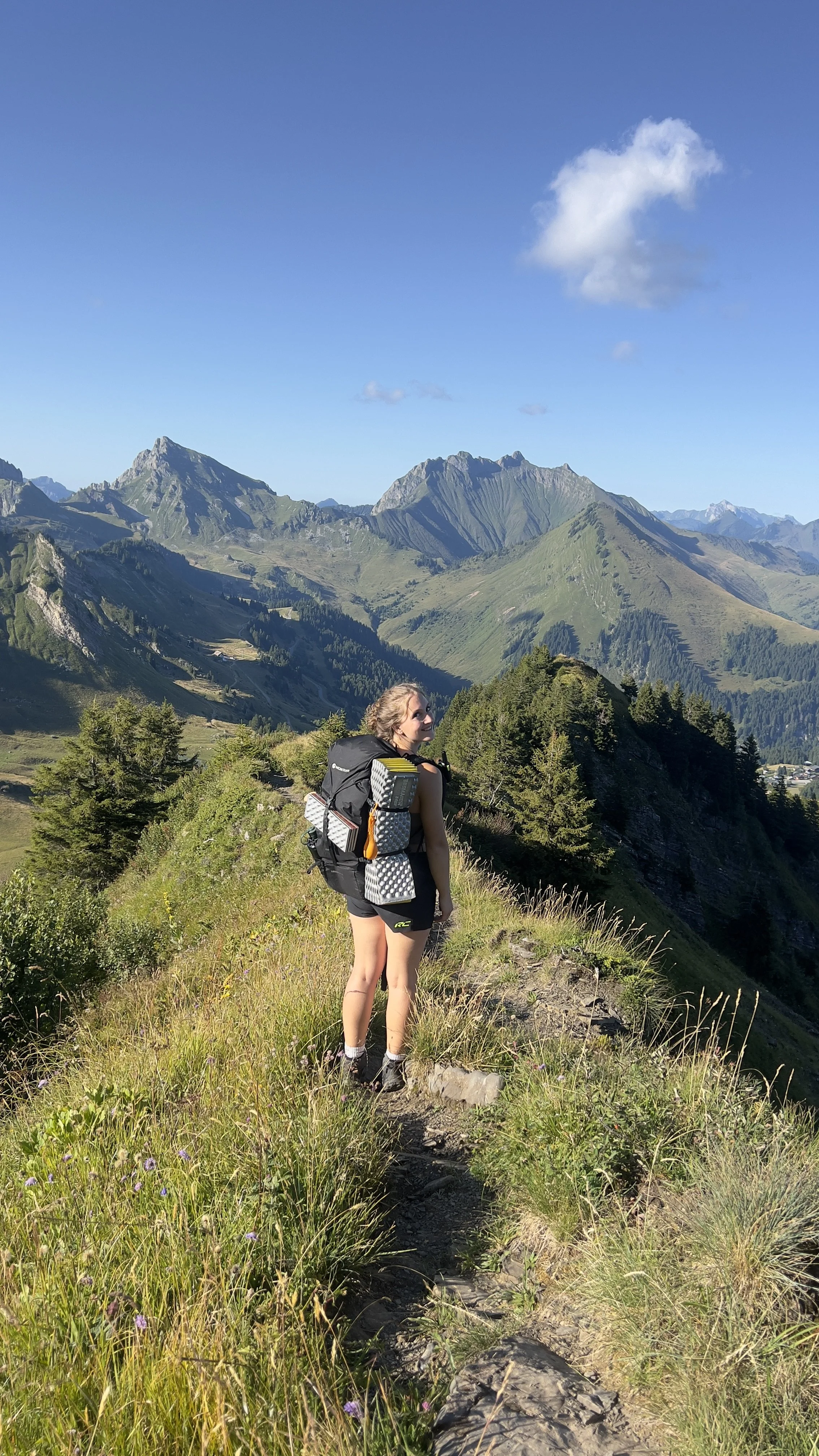
35L
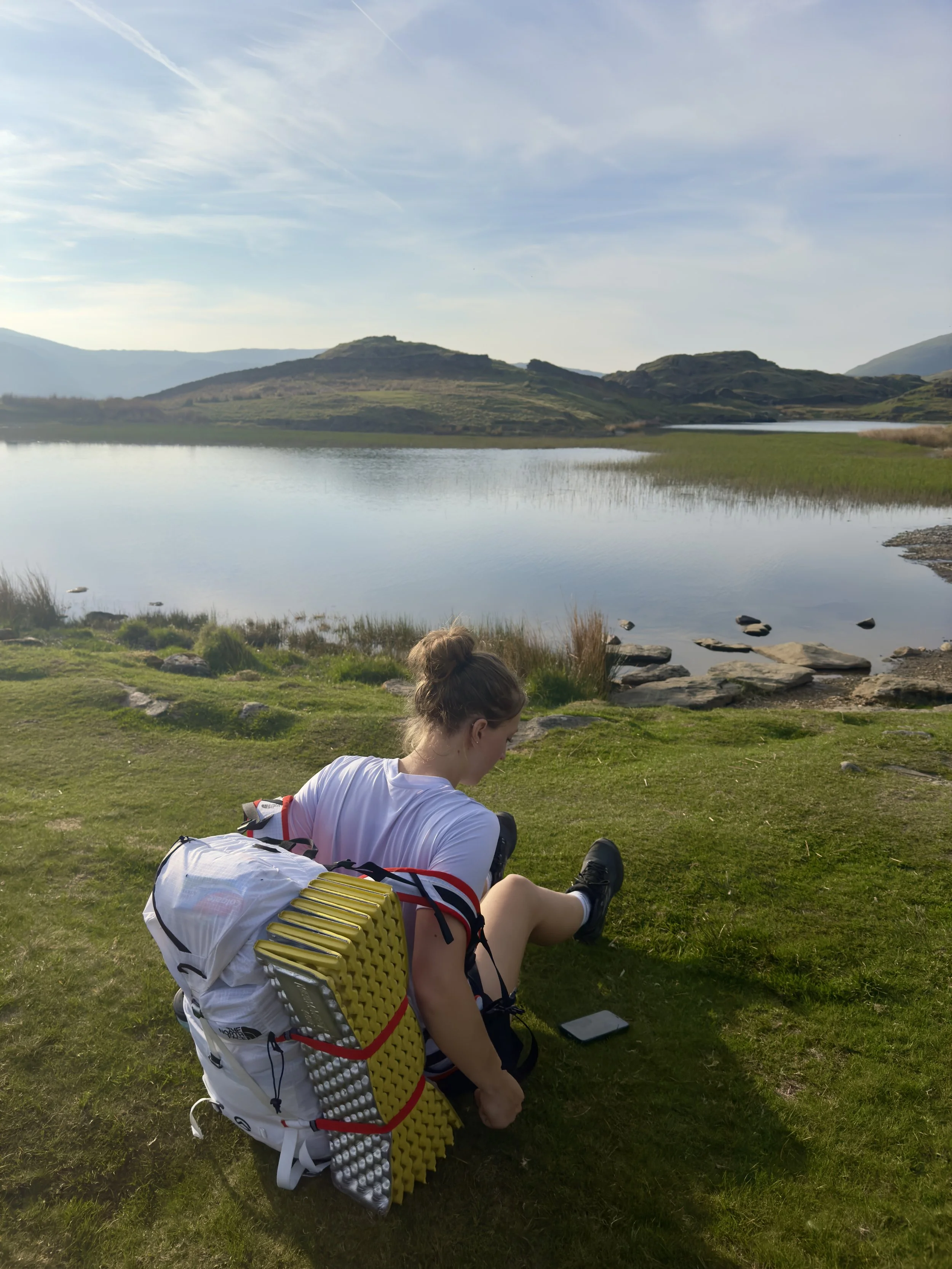
38L
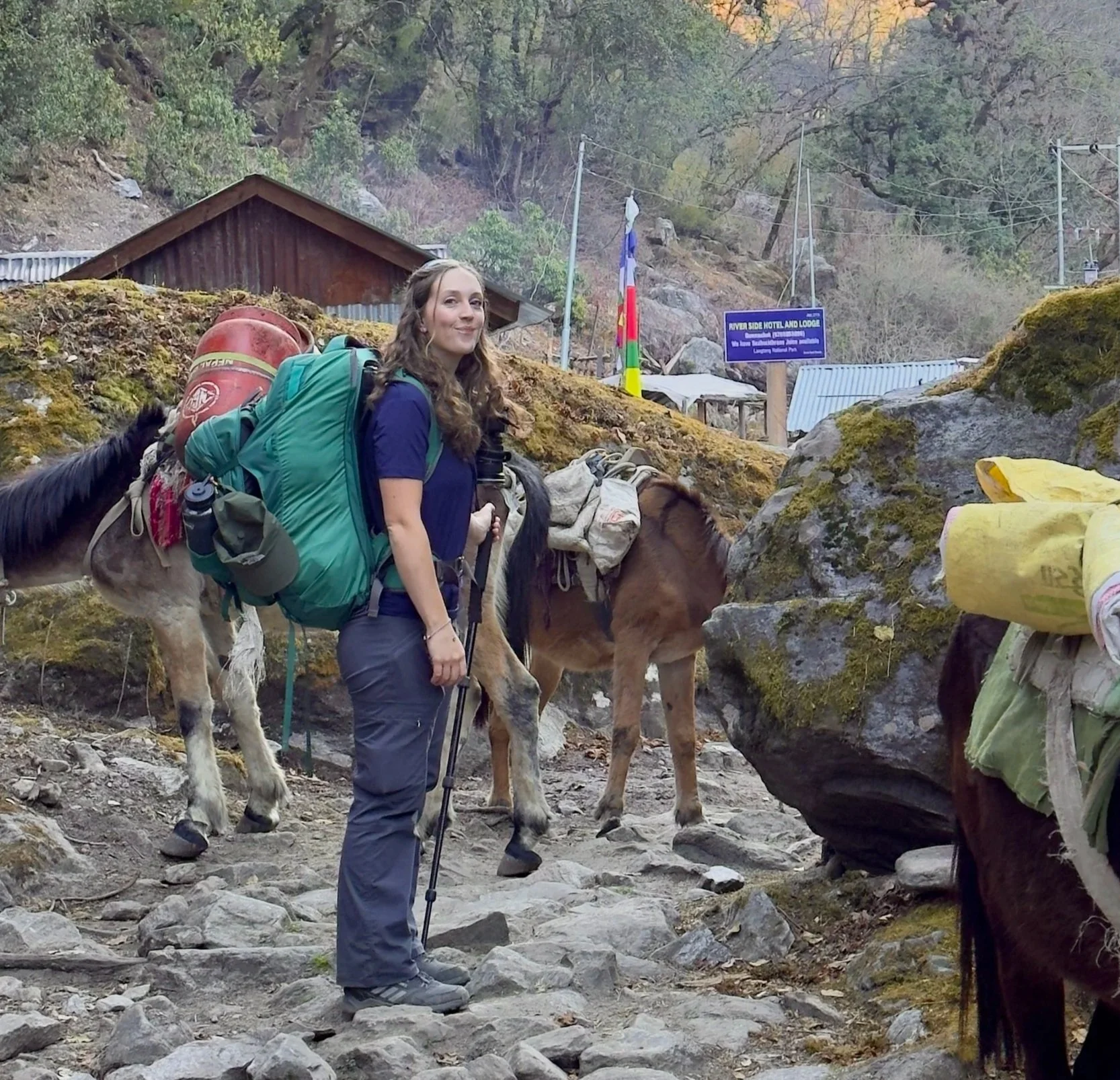
55L
I choose capacity based on bulk, not just weight. Lightweight gear can still take up a lot of space, especially when carrying shelter, insulation, or food for multiple days. The goal is to carry everything comfortably without overpacking or leaving too much empty space.
That said, these numbers aren’t rules. A well-packed 40L backpack can often be more comfortable and efficient than an overstuffed 60L pack.
I also factor in how I pack. Compression, organisation, and knowing my gear well matter more than squeezing everything into the smallest possible bag. I’d rather choose a capacity that allows for flexibility than force everything into a pack that’s constantly at its limit.
In the end, the right capacity is the one that carries your kit comfortably without encouraging you to bring more than you need.
As a general guide, this is how I think about capacity:
10–35L works well for day hikes where I’m carrying layers, food, water, and safety essentials
38–50L suits most multi-day trips with compact gear and milder conditions
55–65L makes sense when carrying bulkier items, winter layers, or food for longer stretches
Not every feature on a backpack adds real value. Many packs are overloaded with extras that look impressive on a product page but rarely make a difference on the trail.
Fit & Torso Length Explained
Comfortable harness and hip belt
This matters more than any other feature. A well-padded, properly shaped hip belt should take most of the weight off your shoulders and stay comfortable over long days.Adjustable torso length
Even small adjustments can make a big difference to fit and stability, especially on multi-day trips.Simple, functional organisation
A large main compartment with a few well-placed pockets is usually enough. I want quick access to layers, food, and safety gear without digging or overthinking where things live.External storage
Stretch pockets, a front shove-it pocket, or side compression straps are invaluable for wet layers, maps, or items I need frequently.Durable materials in high-wear areas
Reinforced bases and tougher fabrics matter far more than shaving off a few grams.
Features I actually prioritise:
Too many zips and compartments
More zips mean more weight, more failure points, and more time spent rummaging.Built-in low-quality rain covers
Unless I know the rain cover is high-quality, I prefer a separate pack liner or dry bags, which are more reliable and versatile.Excessive attachment points
If I’m strapping things all over the outside of my pack, it usually means the pack isn’t the right size or layout for the trip.Gimmicky add-ons
Whistles, mirrors, and unnecessary clips rarely get used and don’t make up for poor fit or comfort.
Features I usually ignore:
A good backpack doesn’t need to do everything. It just needs to carry your kit comfortably, stay stable while moving, and disappear into the background so you can focus on the trail, not your gear.
Features that actually matter (and what to ignore)
Fit matters more than brand, features, or even capacity. A well-fitting backpack will carry weight comfortably for hours, while a poorly fitting one will feel uncomfortable no matter how light your load is.
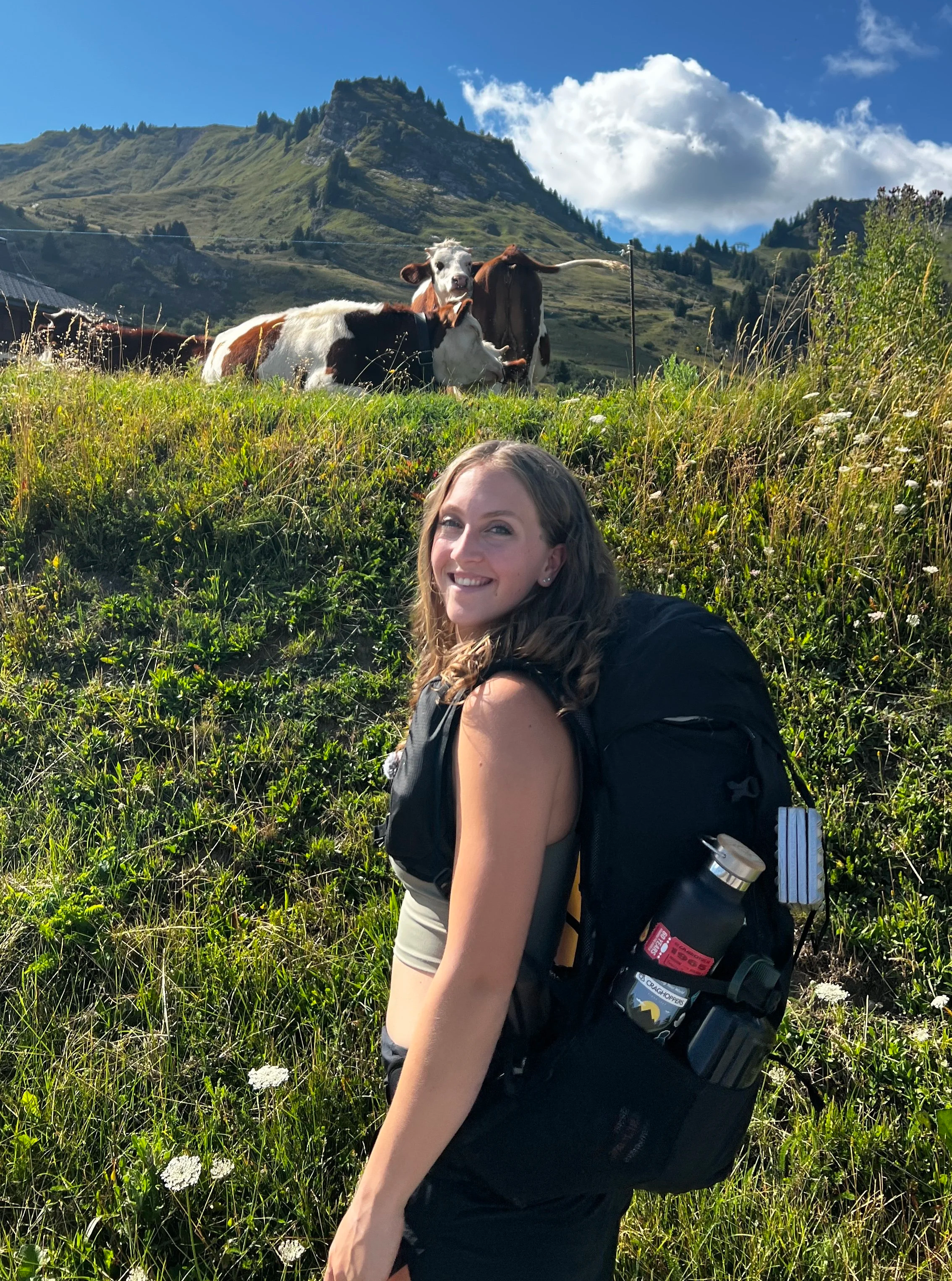
Torso length is one of the most important factors in getting the right fit. It’s the distance between your hip bones and the base of your neck, not your overall height. Two people of the same height can need completely different pack sizes depending on their proportions.
When a pack fits properly, most of the weight should sit on your hips, not your shoulders. Your shoulder straps should wrap comfortably without digging in, and the pack should feel stable against your back rather than pulling you backwards or shifting as you move.
What a good fit should feel like
A correctly fitted backpack should feel secure and balanced, even when fully loaded. The hip belt should sit snugly on your hip bones and take the majority of the weight. Shoulder straps should feel supportive, not load-bearing, and the pack shouldn’t sway or bounce when walking uphill or downhill.
If you feel pressure points, numbness in your shoulders, or a constant need to adjust straps, the fit likely isn’t right, even if the pack looks right on paper.
Adjustable vs fixed torso packs
Many backpacks come in multiple sizes or offer adjustable torso lengths. Adjustable packs can be helpful if you’re between sizes or sharing a pack, but a fixed-torso pack that matches your measurements often feels more stable and comfortable long-term.
I always prioritise fit over flexibility. A pack that matches my torso length properly will carry weight better and feel less fatiguing over long days.
My advice on getting fit right
If possible, try packs on in person with weight inside them. Walk around, climb stairs, and adjust the hip belt and shoulder straps properly before judging comfort. If you’re ordering online, take time to measure your torso length accurately and follow the brand’s sizing guide, and don’t be afraid to return a pack if it doesn’t feel right!
A backpack should support your movement, not fight it. When the fit is right, the pack disappears into the background and lets you focus on the hike, not the gear.
How I choose a backpack for a specific trip
I don’t have one backpack that works for everything. The pack I choose depends entirely on the trip I’m doing, the conditions I expect, and how much gear I need to carry comfortably.
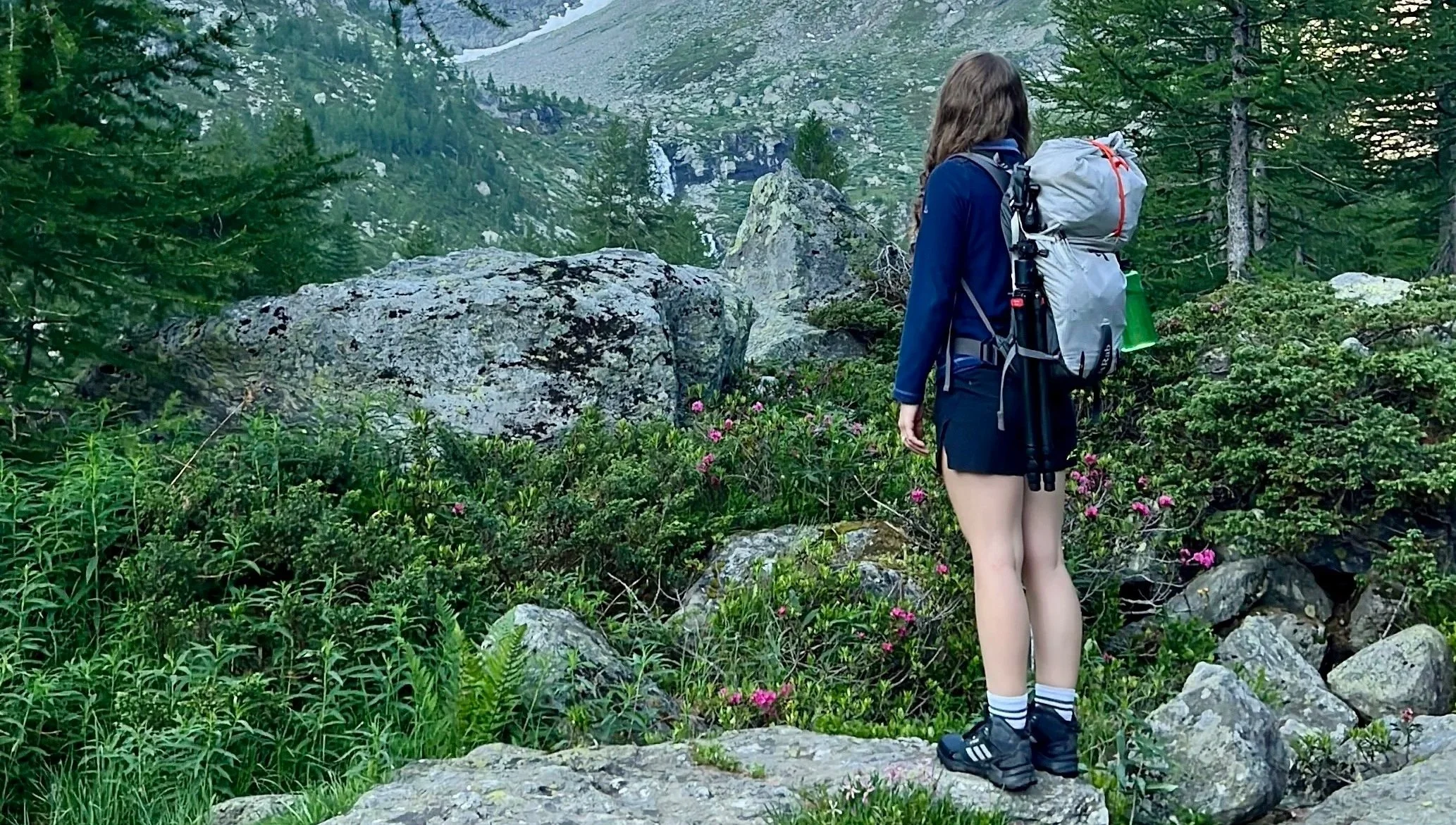
I have around five different backpacks, and the first thing I think about when choosing one is trip length. For day hikes, I want something light and streamlined that moves with me and doesn’t feel restrictive, while for overnight or multi-day trips, comfort under load becomes the priority, even if that means carrying a slightly heavier or more structured pack.
Next, I consider conditions and terrain. Poor weather, colder temperatures, or remote routes usually mean extra layers, food, and safety gear, which pushes me towards a larger pack with better weight distribution. In settled conditions or on well-defined trails, I can afford to keep things simpler and lighter.
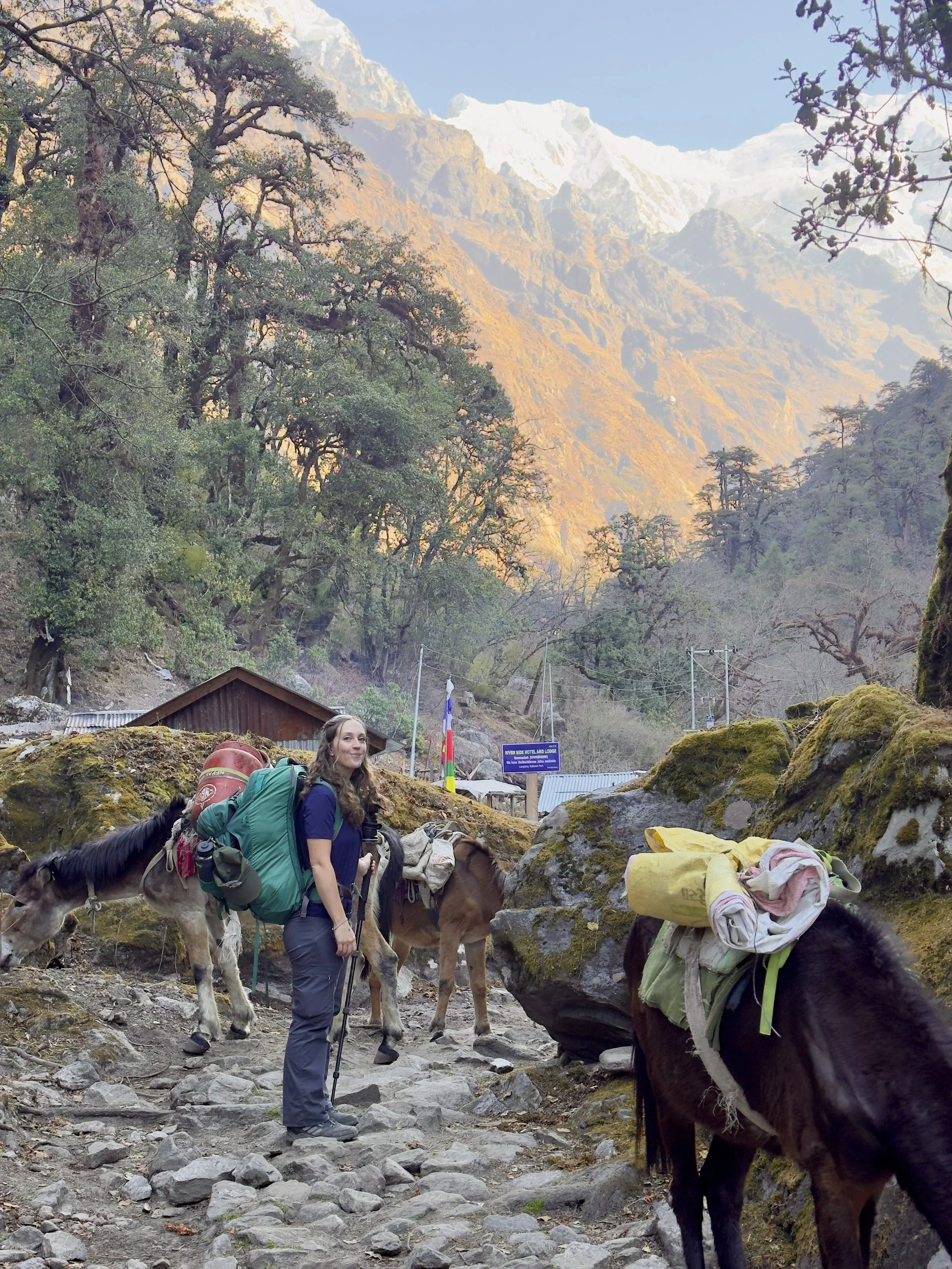
I also factor in bulk, not just weight. Tents, insulation, and food take up space quickly, even when they’re lightweight, so if I know my kit is bulky, I’ll size up rather than forcing everything into an overfilled pack. Whenever possible, I like to strap my tent to the outside of my bag, as it keeps things accessible and frees up internal space.
Finally, I think about comfort over time. If a pack feels slightly uncomfortable at the start, it will only feel worse after several hours or multiple days. I’d rather carry a pack that feels stable, balanced, and easy to live with than one that looks good on paper but becomes a distraction on the trail.
Choosing the right backpack for a specific trip isn’t about finding a perfect setup; it’s about making deliberate choices that support how I’ll actually be moving, resting, and carrying weight for the days ahead.
What I Use
There’s no single backpack that works for every trip, which is why I use a small rotation of packs depending on distance, conditions, and how much gear I’m carrying. These are the backpacks I currently rely on most, chosen through real use rather than specs or trends.
Day hikes & lighter trips
15L
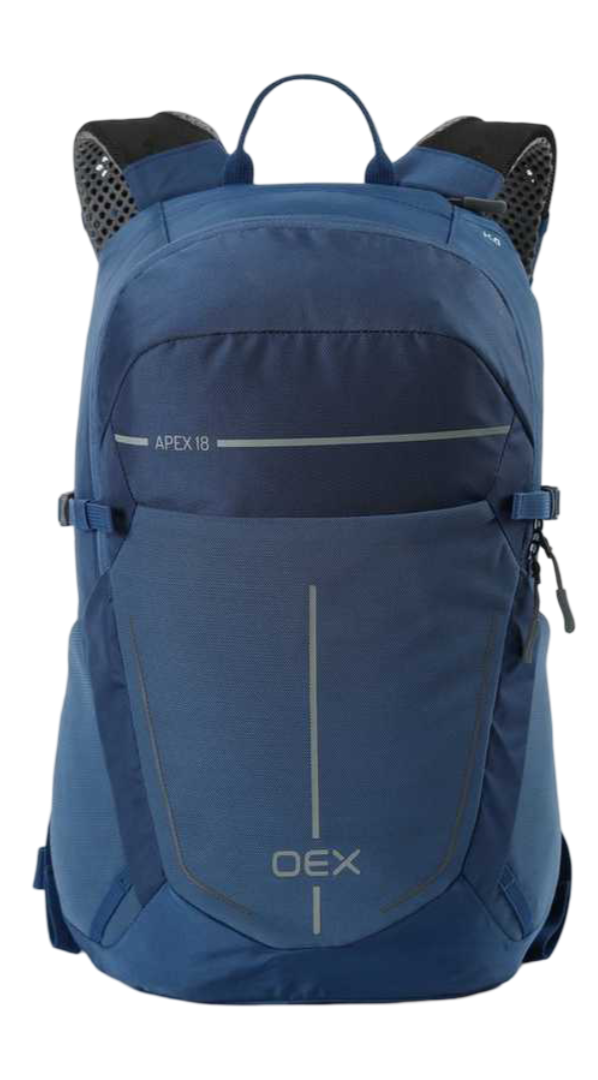

OEX 15L DAYPACK
35L
For day hikes and shorter routes, I use smaller, streamlined packs that sit close to my body and allow for easy movement. They’re comfortable over long days, simple in design, and don’t feel restrictive when moving uphill or on uneven terrain. In summer or settled conditions, I can usually fit all my camping gear into a 35L pack.

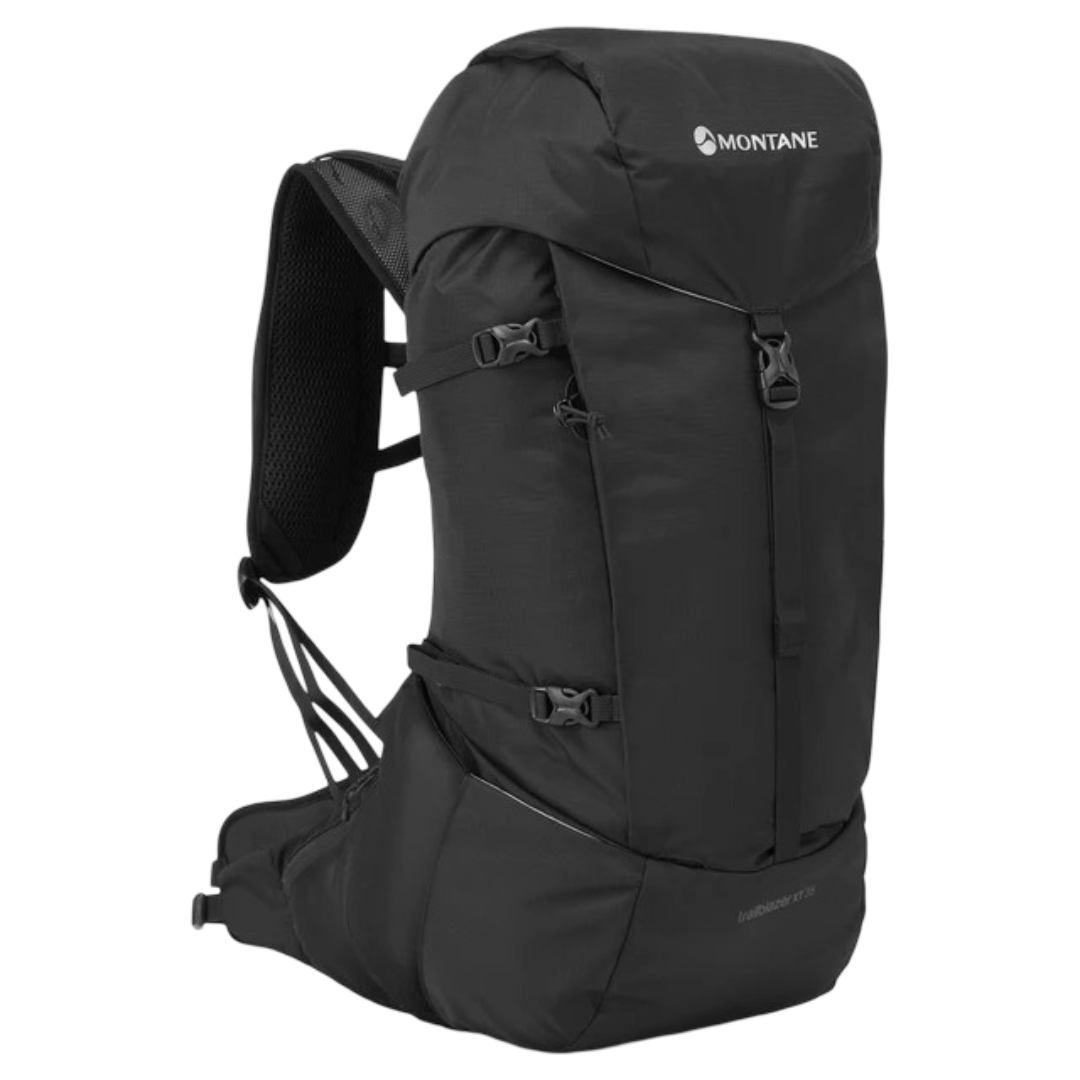
MONTANE TRAILBLAZER
35L
Multi-day & camping trips
38L
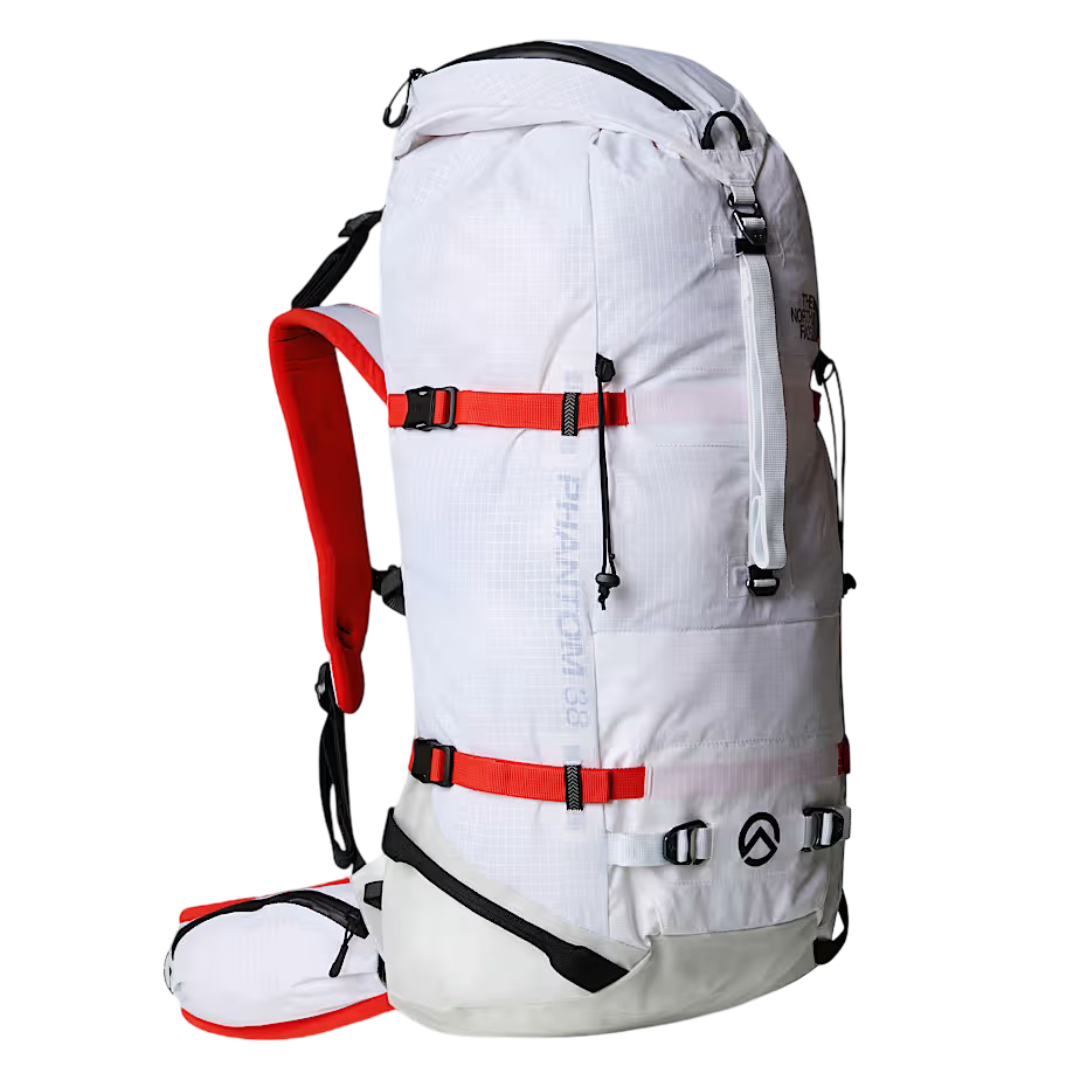
NORTH FACE PHANTOM 38L
54L
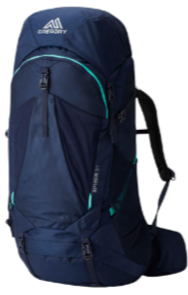
GREGORY AMBER 54L
For overnight and multi-day trips, I switch to a more structured pack designed to carry weight comfortably over longer distances. These packs have supportive hip belts, stable frames, and enough capacity for shelter, sleep systems, and food without feeling overpacked.
I update this section as my setup changes. Product images link directly to the exact items I use, and I only include gear that I’ve tested and trust out on the trail.
Final thoughts
Not all backpacks are designed to do the same job. The right pack depends on how long you’re out for, how much gear you’re carrying, and the terrain you’re moving through. Rather than trying to make one backpack work for everything, I split my setup into two main categories.
Choosing the right backpack isn’t about finding a perfect pack; it’s about understanding what you need for the trip you’re doing. When fit, capacity, and comfort are right, everything else becomes easier, from packing efficiently to moving well on the trail.
I’ve learned that having a small rotation of backpacks gives me far more flexibility than trying to make one pack work for everything. The best backpack is the one that supports how you travel, carries weight comfortably, and lets you focus on the experience rather than the gear.
Use this guide as a framework, adapt it to your own trips, and don’t be afraid to change things as your setup evolves. What matters most is getting out there with a pack you trust.